Small Backyard Chicken Run
Highlighted under: Speedy Favorites
Building a small backyard chicken run has been one of the most rewarding projects I’ve tackled. I’ve always wanted my own fresh eggs, and creating a safe and comfortable environment for my chickens was essential. By utilizing simple materials, I designed a quaint run that fits perfectly in my yard while ensuring my chickens have enough space to stretch their wings. In this guide, I’ll share my approach, including tips to keep your chickens happy and healthy. Let’s get started!
When I decided to build my small backyard chicken run, I researched different designs and materials to optimize both space and durability. I discovered that using chicken wire and wooden stakes not only provided the necessary security from predators but also allowed for good ventilation. It’s essential to factor in your local climate while designing it. For instance, a shaded area is crucial during the hot summer months to keep my chickens comfortable and stress-free.
One of the best tips I learned during this process is to regularly change the bedding in the run to control odors and maintain cleanliness. I’ve found that using straw or pine shavings not only works well for absorbing moisture but also gives my chickens a soft place to peck and scratch. Regular maintenance has made my chicken run a thriving space for my feathered friends!
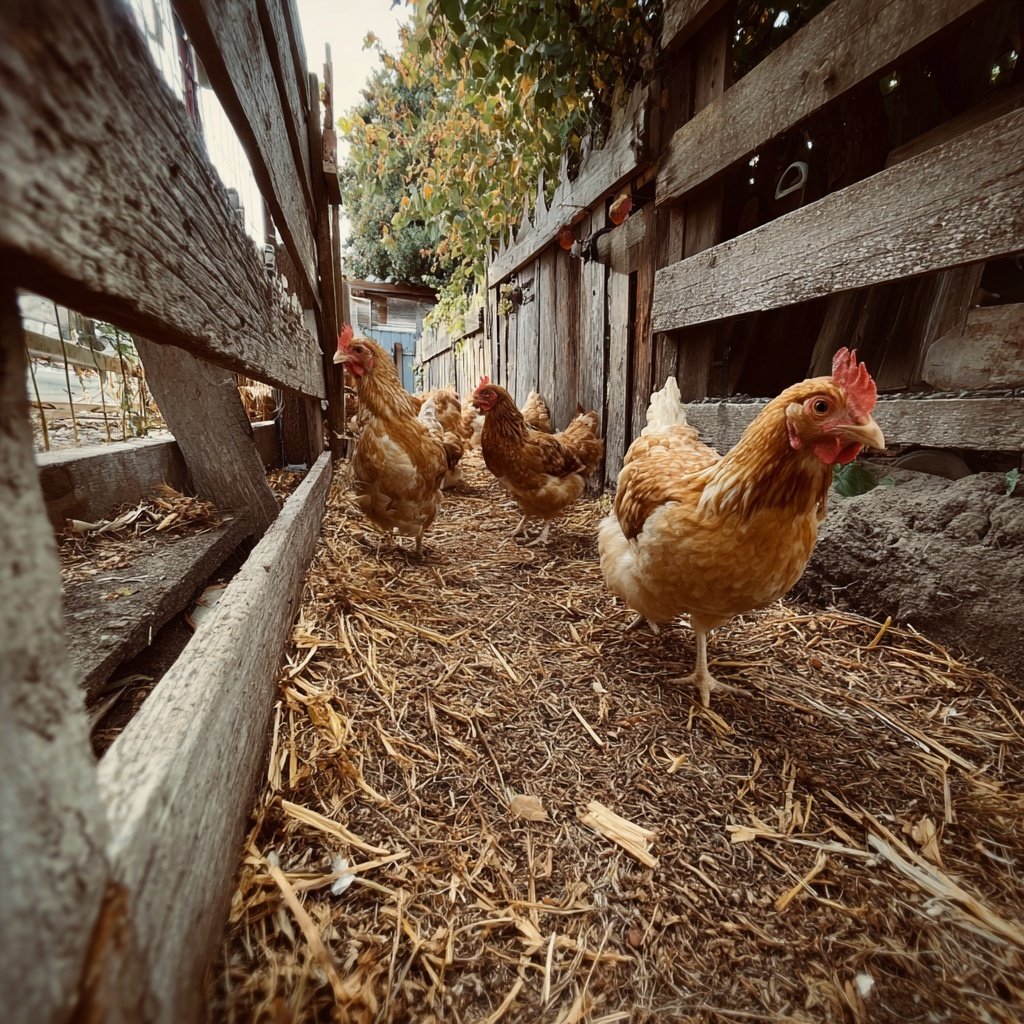
Why You'll Love This Chicken Run
- Provides a safe, secure environment for your chickens
- Enhances the aesthetic of your backyard
- Encourages chickens to exercise and explore
Choosing the Right Location
When planning the location for your chicken run, consider the sun and shade patterns throughout the day. Chickens thrive in environments with ample sunlight during the day but also need shaded areas to escape the heat. A spot with dappled sunlight from nearby trees can provide a balanced environment, ensuring your chickens stay cool and comfortable throughout warm summer months.
Additionally, ensure the area is free from standing water, as damp conditions can promote disease. Look for a site that has good drainage, and if necessary, elevate the run slightly to prevent flooding during heavy rains. It’s also wise to position the run close to your coop for easy access and maintenance.
Safety Considerations
To ensure your chicken run is secure from predators, bury the bottom edge of the chicken wire at least 12 inches into the ground. This deters animals that might try to dig underneath. If your area is particularly prone to foxes or raccoons, consider adding extra protection by using hardware cloth instead of chicken wire, as it is more robust and harder to breach.
After completing the run, check all seams and entry points for any gaps. Predators are often cunning and can exploit even the smallest openings. Regularly inspecting the wiring and the door latch will also help maintain this security, preventing any unexpected visits from unwanted guests.
Maintaining a Healthy Environment
Maintaining cleanliness in your chicken run is crucial for the health of your birds. Aim to clean the bedding weekly, and replace it entirely every few months. Contaminated bedding can harbor bacteria and pests, so regular upkeep ensures a healthy environment. If you notice any areas of excessive waste, address them promptly to avoid attracting flies or causing health issues.
Consider implementing a simple composting system for the older bedding and chicken manure. This not only promotes sustainable practices but also gives you nutrient-rich compost to use in your garden. Just ensure the compost is properly aged before using it on edible plants, as fresh manure can be too strong and may contain pathogens.
Ingredients
To successfully construct your small chicken run, gather the following materials:
Materials Needed
- Chicken wire (approx. 50 feet)
- Wooden stakes (8 pieces, 6 feet high)
- Wooden boards for flooring (if desired)
- Hinges for door
- Latch for door
- Tools (hammer, wire cutters, drill)
Ensure that you have all materials and tools ready before starting the construction!
Instructions
Follow these steps to create your chicken run:
Planning the Design
Begin by measuring the area in your yard where you want the chicken run to be located. Depending on how many chickens you have, you’ll want to provide at least 10 square feet per chicken.
Setting Up the Framework
Drive the wooden stakes into the ground to form the corners and edges of the run. Ensure they are securely anchored to withstand weather elements.
Attaching the Chicken Wire
Cut the chicken wire to fit around the framework and attach it using staples or nails. Be sure to cover the entire structure to keep the chickens safe.
Creating a Door
Select an area for a door and cut a section of the wire. Use hinges to attach a wooden board that will act as the door, and fit a latch to secure it.
Adding Bedding and Enrichment
Once everything is in place, add straw or pine shavings to the floor of the run for comfort and cleanliness. Consider adding toys or perches for the chickens.
Once you complete these steps, your backyard chicken run will be ready for your chickens to explore!
Pro Tips
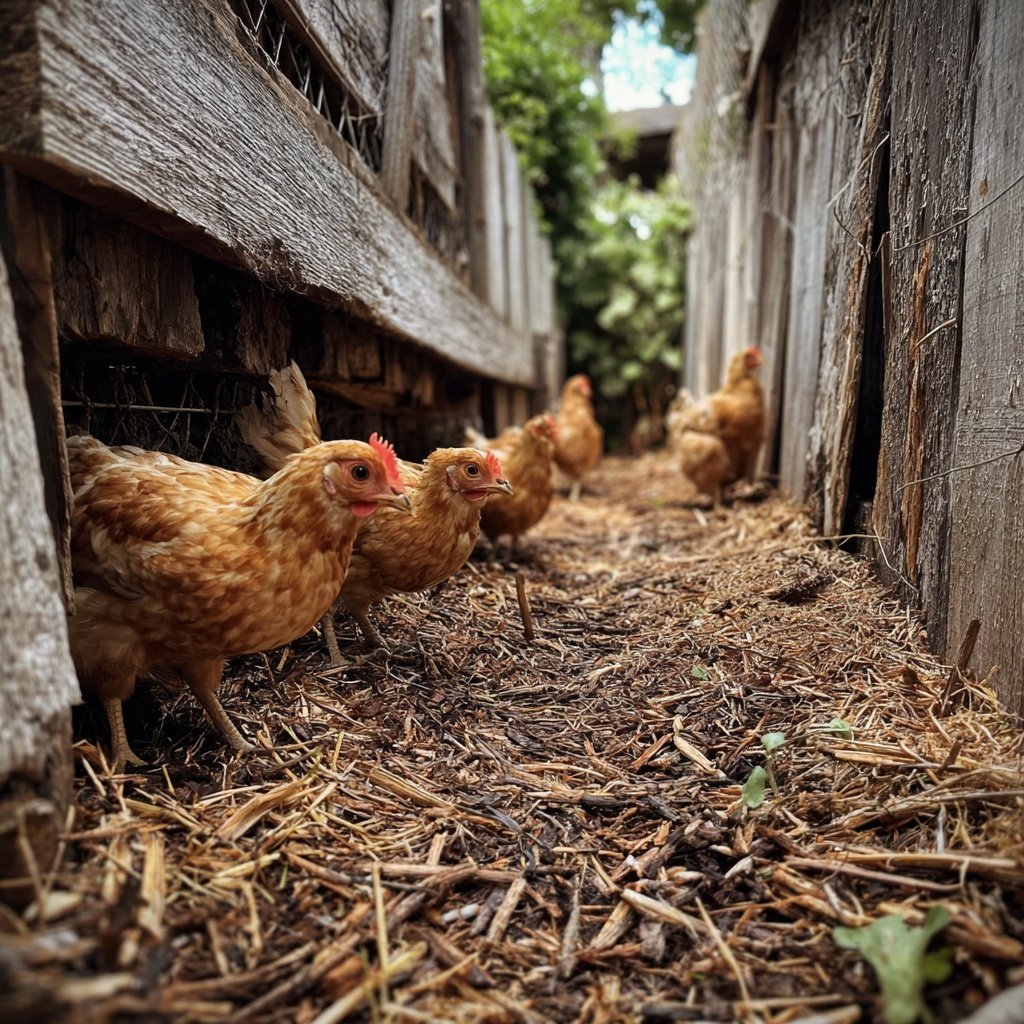
- Regularly inspect the run for any signs of wear or damage, as well as ensuring the bedding remains clean to promote a healthy environment.
Common Challenges
One common issue when building a chicken run is not accounting for the breed of chicken you have. Larger breeds may require more space than smaller ones. Ensure your run allows ample cubic footage per chicken to reduce stress and promote healthy behavior. For standard breeds, aim for at least 25-35 square feet if space permits, especially if they will spend all day in the run.
Weather can also pose challenges for your chickens. If you live in an area with extreme temperatures, consider adding a shaded area or a windbreak to keep them comfortable. A small tarp stretched over part of the run can provide shade. In colder months, ensuring proper ventilation while keeping drafts out is key to maintaining health.
Enhancing Chicken Happiness
Chickens are curious creatures, and providing them with enrichment can greatly enhance their happiness. Adding items like logs, branches, or even a shallow box filled with sand will encourage pecking and scratching, promoting natural behaviors. Tossing in some kitchen scraps or treats can also keep them entertained and engaged throughout the day.
Consider seasonal variations for enrichment as well. In the summer, adding pools of water can allow them to cool off while providing entertainment. In winter, placing hay bales for climbing can keep them active when their yard may be less stimulating. Keeping things fresh and rotating items in and out will maintain their interest and encourage exploration.
Questions About Recipes
→ How much space do I need for each chicken?
A minimum of 10 square feet is recommended per chicken in the run.
→ Can I build the run using recycled materials?
Yes, many people create runs from reclaimed wood and other materials. Just ensure they are safe and sturdy!
→ How often should I clean the chicken run?
Aim to clean the run at least once a week, more frequently in warmer weather.
→ Do I need to protect my chicken run from predators?
Absolutely! Use strong chicken wire and make sure it is buried at the bottom to deter digging predators.
Small Backyard Chicken Run
What You'll Need
Materials Needed
- Chicken wire (approx. 50 feet)
- Wooden stakes (8 pieces, 6 feet high)
- Wooden boards for flooring (if desired)
- Hinges for door
- Latch for door
- Tools (hammer, wire cutters, drill)
How-To Steps
Begin by measuring the area in your yard where you want the chicken run to be located. Depending on how many chickens you have, you’ll want to provide at least 10 square feet per chicken.
Drive the wooden stakes into the ground to form the corners and edges of the run. Ensure they are securely anchored to withstand weather elements.
Cut the chicken wire to fit around the framework and attach it using staples or nails. Be sure to cover the entire structure to keep the chickens safe.
Select an area for a door and cut a section of the wire. Use hinges to attach a wooden board that will act as the door, and fit a latch to secure it.
Once everything is in place, add straw or pine shavings to the floor of the run for comfort and cleanliness. Consider adding toys or perches for the chickens.
Extra Tips
- Regularly inspect the run for any signs of wear or damage, as well as ensuring the bedding remains clean to promote a healthy environment.
Nutritional Breakdown (Per Serving)
- Calories: 0 kcal
- Total Fat: 0g
- Saturated Fat: 0g
- Cholesterol: 0mg
- Sodium: 0mg
- Total Carbohydrates: 0g
- Dietary Fiber: 0g
- Sugars: 0g
- Protein: 0g