DIY Backyard Chicken Coop Run
Highlighted under: Freshly Wholesome
Building a chicken coop run has been one of the most rewarding projects I've undertaken. I love creating a safe, spacious environment for my hens to roam freely while keeping them protected from predators. The process allowed me to combine my passion for woodworking with my love for backyard farming. I spent hours researching the best designs and materials, and ultimately, nothing beats the satisfaction of seeing my chickens enjoy their new home. With a little effort and creativity, you can build your own fabulous coop run too!
When I decided to start raising chickens, I knew I needed to provide them with a safe and comfortable space. I dedicated a weekend to constructing the chicken coop run, using high-quality materials sourced from my local hardware store. This hands-on experience taught me the value of sturdy construction and thoughtful design. By incorporating features like ventilation and shade, I ensured my chickens would remain comfortable no matter the weather.
After completing the project, I was thrilled to see my chickens happily exploring the run. The best part was watching them scratch in the dirt, acting like the kings and queens of their domain. I discovered that they especially love plants, so I added some herbs inside the run, which not only provide a foraging opportunity but also enhance their diet.
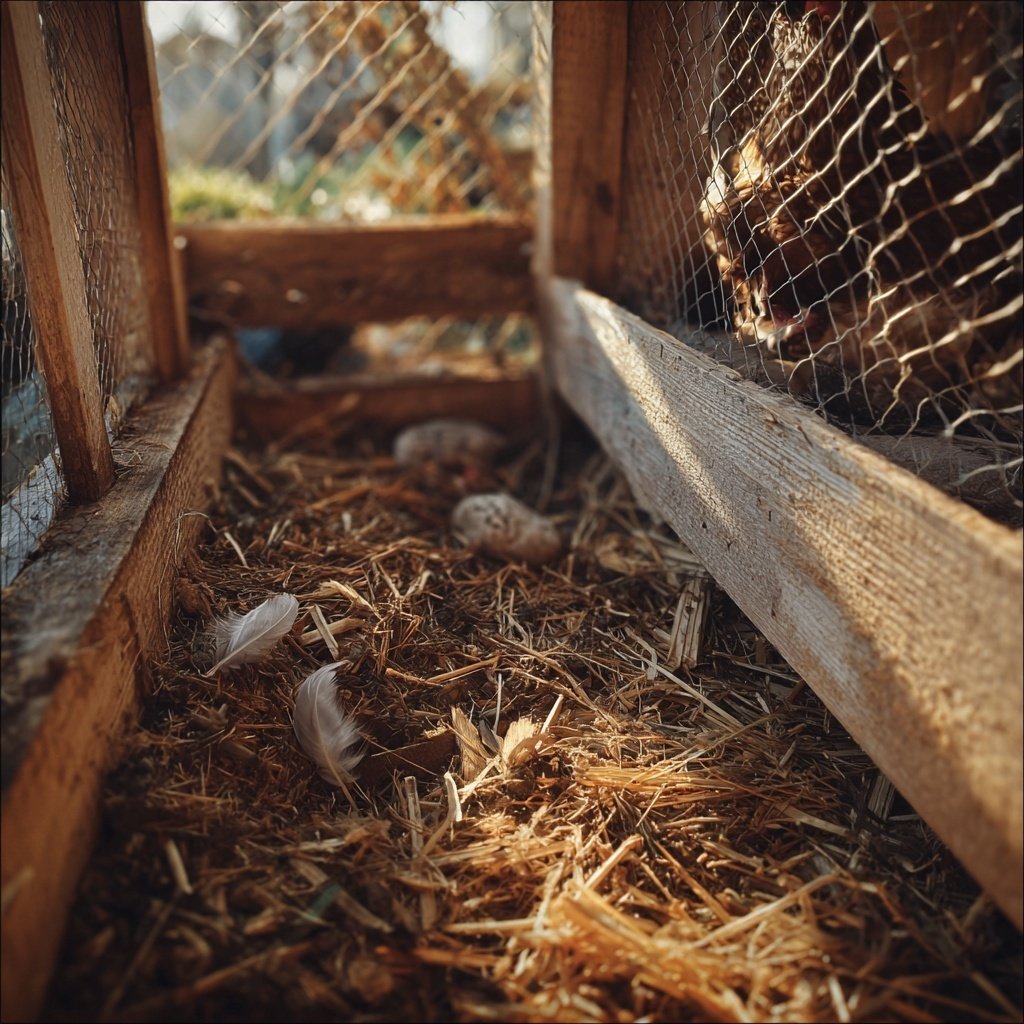
Why You'll Love This DIY Chicken Coop Run
- Creates a safe, spacious environment for your chickens
- Customizable to suit your backyard and chicken needs
- Encourages natural behaviors, promoting healthy, happy birds
Choosing the Right Location
The success of your chicken coop run starts with selecting an appropriate location. Aim for a flat, dry area in your backyard with good drainage to prevent water from accumulating inside the run. It's essential to keep your chickens safe from harsh weather, so avoid placing it in low spots where wind can whip through or in direct sunlight without any shade. Consider nearby trees that can provide shade in the summer and shelter in winter.
Besides weather considerations, think about accessibility. Your coop run should be easily reachable for daily maintenance. If possible, position it near your water source to make hydration simpler. Observing the sun's trajectory can help you design a layout that ensures your hens enjoy both sun and shade at different times of the day, keeping them comfortable all season long.
Selecting Materials Wisely
When building your chicken coop run, the choice of materials is crucial for the safety and longevity of the structure. Opt for treated lumber to resist rot and pests, particularly for structural components like the frame. Hardware cloth is a must; it provides a robust barrier against predators, unlike chicken wire which can be easily compromised. Ensure the mesh is at least 1/2-inch to prevent snakes and weasels from squeezing through.
Consider the roof's material for your run. Depending on your local climate, a simple wooden roof might suffice, but in areas with heavy rain, a sloped metal roof can prevent water pooling. Also, think about using salvaged or repurposed materials where you can; this not only saves money but also contributes to an eco-friendly project.
Enhancing Chicken Comfort
To ensure your chickens thrive in their new home, think about their natural behaviors and comfort. Providing perches encourages them to exercise and socialize. Build these at different heights using sturdy branches or wood to create an engaging environment. Additionally, incorporating nesting boxes within or close to the run allows your hens to lay eggs comfortably, emphasizing the need for privacy by placing them in quieter corners of the run.
Consider adding greenery to the coop run as well. Planting safe herbs like thyme or sage not only beautifies the space but also provides natural pest deterrents. Just remember to allow enough room for your chickens to roam freely; overcrowding can lead to stress and feather picking. A properly designed coop run balances these elements to create a sanctuary for your flock.
Ingredients
Gather your materials and tools before starting your chicken coop run project for a smoother building experience.
Materials
- 2x4 lumber (for framing)
- Hardware cloth (for fencing)
- Wood screws
- Hinges (for doors)
- Wood for roofing
- Latches
Tools
- Drill
- Saw (hand or power)
- Measuring tape
- Level
- Screwdriver
Having the right materials and tools on hand makes the construction process much more efficient.
Instructions
Before you begin constructing your chicken coop run, it's important to plan out the dimensions and features that will suit your chickens best.
Plan Your Design
Start by measuring the area where you want the coop run to be. Consider how many chickens you have and what kind of space they will need.
Cut and Assemble the Frame
Using the 2x4 lumber, cut the pieces to size and assemble the frame using wood screws, ensuring it is square and level.
Attach the Hardware Cloth
Wrap the frame with hardware cloth, securing it tightly to keep out predators. Make sure to overlap the seams for extra security.
Add a Roof
If your design includes a roof, use wood or other materials to provide shelter from rain and sun. Ensure it’s securely attached.
Create Access Points
Install doors using hinges and latches to allow easy access for cleaning and feeding your chickens.
Finishing Touches
Add any additional features like nesting boxes, perches, or plants for your chickens to enjoy.
Make sure to regularly check on the coop run for any necessary repairs and to ensure the safety and happiness of your chickens.
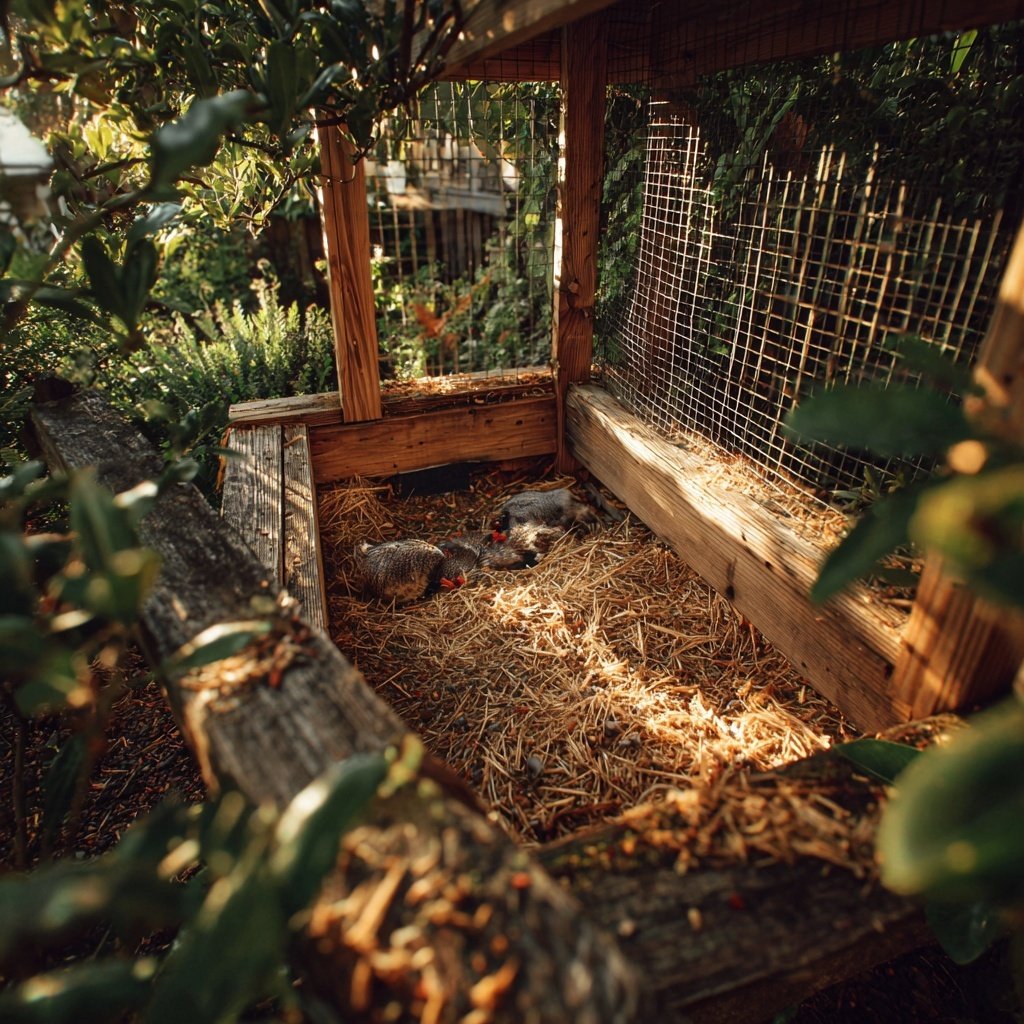
Pro Tips
- Always check local regulations regarding chickens and structures in your area to ensure compliance. A well-planned run keeps your chickens protected and enhances their quality of life.
Maintenance Tips for Longevity
Regular maintenance is essential to keep your chicken coop run functioning well and to ensure the health of your flock. Aim to clean the run at least once a week by removing any uneaten feed, droppings, and debris. This not only prevents the buildup of harmful bacteria but also discourages pests. If you find difficult stains, a mixture of vinegar and water can help break down stubborn waste.
Additionally, inspect the hardware cloth regularly for signs of wear or damage. Small tears can be mended easily, but larger sections may require a complete replacement to maintain security. Monthly checks for loose screws or hinges will ensure that doors and gates function smoothly, making your daily chores easier and keeping your hens safe.
Winter-Proofing Your Coop Run
Preparing your chicken coop run for winter is vital to protect your hens from cold temperatures. Insulate any areas that might not shelter them adequately from harsh winds. You can use tarps or insulated panels to cover parts of the run, ensuring that they get enough sunlight while staying warm. Additionally, providing straw or wood shavings in the run can help create a cozy layer that traps heat and keeps the ground dry.
Don't forget about water accessibility during the winter months. Ensure your water supply doesn’t freeze; consider using heated waterers to keep the water available for your chickens, which is particularly important on frigid mornings.
Utilizing Space Effectively
Maximizing the space in your chicken coop run doesn’t just mean making it bigger; it's about optimizing what you have. Vertical space is your friend. Utilize shelves, hanging feed dispensers, and climbing structures to keep your chickens entertained and active without needing a larger footprint. This also helps prevent boredom, which can lead to behavioral issues.
Additionally, consider rotating the area where your chickens can forage and scratch. Allow them to use one section for a period before moving them to a different area. This not only helps maintain the health of the grass and soil but also gives them new ground to explore, which keeps their environment fresh and stimulating.
Questions About Recipes
→ How big should a chicken coop run be?
A minimum of 10 square feet per chicken is generally recommended, but more space allows for happier, healthier birds.
→ Do I need to cover my chicken coop run?
Yes, covering the run can protect from predators and harsh weather conditions, ensuring a safe environment.
→ What materials are best for a chicken coop run?
Using untreated wood for framing and sturdy hardware cloth for fencing provides durability while keeping chickens safe.
→ How often should I clean the coop run?
Regular cleaning every few weeks, or as needed based on chicken activity, will help maintain hygiene and health.
DIY Backyard Chicken Coop Run
Created by: Diana Brooks
Recipe Type: Freshly Wholesome
Skill Level: Intermediate
Final Quantity: 1 coop run
What You'll Need
Materials
- 2x4 lumber (for framing)
- Hardware cloth (for fencing)
- Wood screws
- Hinges (for doors)
- Wood for roofing
- Latches
Tools
- Drill
- Saw (hand or power)
- Measuring tape
- Level
- Screwdriver
How-To Steps
Start by measuring the area where you want the coop run to be. Consider how many chickens you have and what kind of space they will need.
Using the 2x4 lumber, cut the pieces to size and assemble the frame using wood screws, ensuring it is square and level.
Wrap the frame with hardware cloth, securing it tightly to keep out predators. Make sure to overlap the seams for extra security.
If your design includes a roof, use wood or other materials to provide shelter from rain and sun. Ensure it’s securely attached.
Install doors using hinges and latches to allow easy access for cleaning and feeding your chickens.
Add any additional features like nesting boxes, perches, or plants for your chickens to enjoy.
Extra Tips
- Always check local regulations regarding chickens and structures in your area to ensure compliance. A well-planned run keeps your chickens protected and enhances their quality of life.
Nutritional Breakdown (Per Serving)
- Calories: 0 kcal
- Total Fat: 0g
- Saturated Fat: 0g
- Cholesterol: 0mg
- Sodium: 0mg
- Total Carbohydrates: 0g
- Dietary Fiber: 0g
- Sugars: 0g
- Protein: 0g